homo erectus
US /ˌhoʊmoʊ ɪˈrektəs/
・UK /ˌhɒməʊ ɪˈrektəs/
A1
n.NounAn extinct species of archaic humans that lived from about 1.9 million years ago to possibly as late as 117,000 years ago.
Homo erectus is an extinct species of archaic humans.
Video subtitles
古人類学者だけど「原始人」について質問ある? | Tech Support | WIRED Japan

- And that includes Homo erectus.
And that includes Homo erectus.
- And Homo erectus is the first one to actually leave Africa.
And Homo erectus is the first one to actually leave Africa.
Hobbits Were Real. Why Were They So Small?
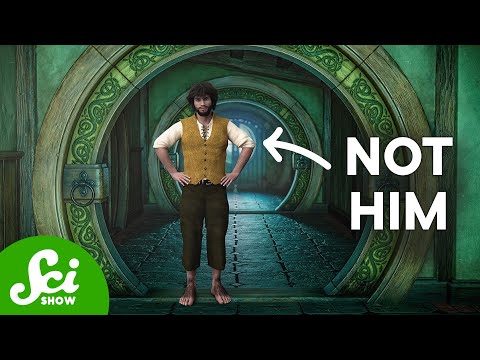
- Their skull and face shape is pretty similar to Homo erectus, just smaller.
Their skull and face shape is pretty similar to Homo erectus, just smaller.
- And so, it is possible that their ancestors were Homo erectus, and then they went through an evolutionary process called insular dwarfism.
And so, it is possible that their ancestors were Homo erectus, and then they went through an evolutionary process called insular dwarfism.
What Happened Before History? Human Origins
- Homo erectus, for example, survived for 2 million years - 10 times longer than modern humans have existed.
Homo erectus, for example, survived for 2 million years - 10 times longer than modern humans have existed.
- Homo erectus, for example, survived for 2 million years.
Homo erectus, for example, survived for 2 million years.
There Was No First Human

- That's Homo erectus.
That's Homo erectus.
- Well, that's Homo erectus.
Well, that's Homo erectus.
Time: The History & Future of Everything – Remastered
- Our close relative, Homo erectus, survived 10 times longer than we have existed.
Our close relative, Homo erectus, survived 10 times longer than we have existed.
Mark Pagel - How language transformed humanity (subtitles 41 languages)

- Because this is exactly what our ancestors, the Homo erectus, did.
Because this is exactly what our ancestors, the Homo erectus, did.
- Now, if we make some guesses about how long Homo erectus lived, what their generation time was, that's about 40,000 generations of parents to offspring and other individuals watching in which that hand axe didn't change.
Now, if we make some guesses about how long Homo erectus lived, what their generation time was, that's about 40,000 generations of parents to offspring and other individuals watching in which that hand axe didn't change.
How Old IS Language?
- That keeps Neanderthals in the running, but it also means that an even older hominin, like Homo erectus, could have gossiped around the campfire as far back as 2 million years ago, even if they were using more of a gestured language to do so.
That keeps Neanderthals in the running, but it also means that an even older hominin, like Homo erectus, could have gossiped around the campfire as far back as 2 million years ago, even if they were using more of a gestured language to do so.
- but it also means that an even older hominin, like Homo erectus, could have gossiped around the campfire as far back as 2 million years ago, even if they were using more of a gestured language to do so.
but it also means that an even older hominin, like Homo erectus, could have gossiped around the campfire as far back as 2 million years ago, even if they were using more of a gestured language to do so.
Why Do We (Still) Have Wisdom Teeth?

- But in our lineage, starting with species like Homo erectus, the shape of our skulls began to change.
But in our lineage, starting with species like Homo erectus, the shape of our skulls began to change.
- But in our lineage, starting with species like Homo erectus, the shape of our skulls began to change.
But in our lineage, starting with species like Homo erectus, the shape of our skulls began to change.
When Did We Start Getting Cavities?
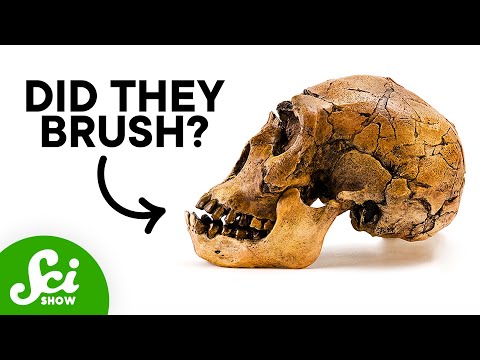
- So it's not surprising that even though they had a few cavities, they had way fewer than the later, and more like us, Homo erectus from the same site.
So it's not surprising that even though they had a few cavities, they had way fewer than the later, and more like us, Homo erectus from the same site.
A.I. ‐ Humanity's Final Invention?

- Two million years ago, Homo erectus saw the world differently from anyone before—as something to be understood and transformed.
Two million years ago, Homo erectus saw the world differently from anyone before—as something to be understood and transformed.
- Two million years ago Homo erectus saw the world differently from anyone before, as something to be understood and transformed.
Two million years ago Homo erectus saw the world differently from anyone before, as something to be understood and transformed.